
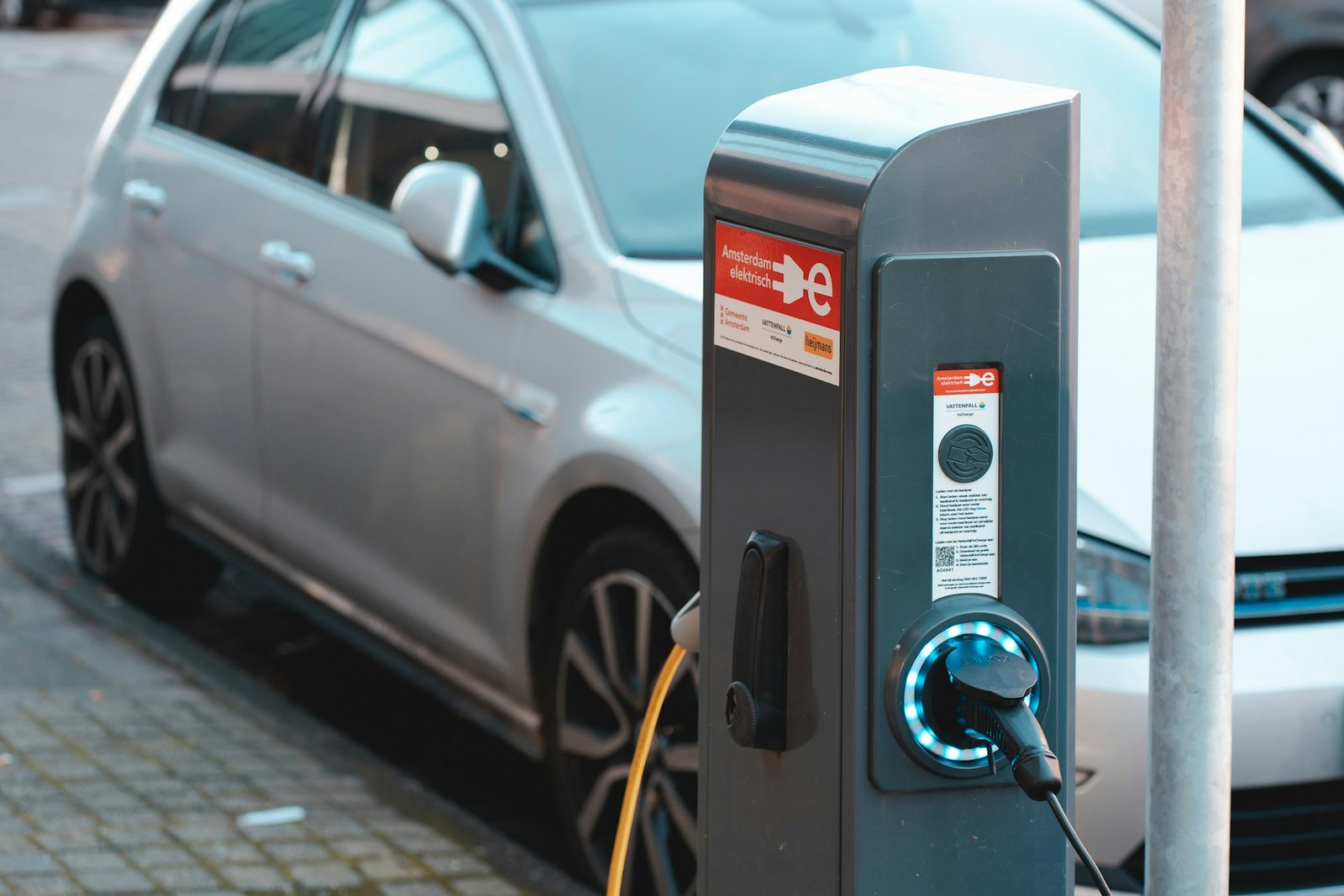
Gradually electric vehicles are taking over petrol vehicles. More people are buying electric vehicles as they are eco-friendly plus they are more convenient and sustainable.
If you have just bought an electric car, the first question that comes to mind is where to charge it. Public EV charging points are usually easily available. But it’s better to charge your EV at home mainly at night time. It is much cheaper and a lot easier when you charge a vehicle at home. There are different types of portable chargers. Type 2 chargers may be a better option for EV vehicle owners who are looking to install EV chargers at home.
Charging at home or public EV charging points has its pros and cons. The choice totally depends on the person’s affordability and preferences. Let’s dive further into it.
Budget Friendly
The home EV chargers are really good in terms of cost-effectiveness. The EV vehicle owner uses their electricity, and they can charge at their convenient time of the day. Most energy suppliers offer off-peak charging rates. Normally, EV charging off-peak rates apply at night when there is less burden on grid stations.
It’s always ideal if you set your vehicle to charge at night time. EV tariffs may vary from location to location. Day charging rates are normally higher. In 2024, the average daytime EV charge rate is 20p per KW and the off-peak rate is around 7p depending on your energy supplier.
To charge the vehicle fully at home, you are looking for 7 to 10 hours so make sure you plan and set your vehicle to charge in good time. Home chargers are not good enough if you are looking for a quick charge.
Electric Vehicles Charger Cost
Installing an EV charger at home is a one-time cost. But you need upfront money though to get it installed. In 2024, the average cost of installing an EV charger at home is between £800 to £1200 depending on the EV charger brand and the labour.
Rapid Charging
Public charging points (DC fast chargers) are the best option. If the EV vehicle owner needs to go on an unplanned journey and needs a quick vehicle charge then you charge your vehicle at a public fast charging point.
There are several mobile apps out there for public EV charger locations. These mobile applications tell you the nearest EV charging point, it’s availability, and how fast it charges.
Fast public EV chargers can charge your vehicle fully in around 30mins. The cost of charging a vehicle at a fast public EV charger is multiple times more than charging at home. In 2024, it may cost you somewhere from 60p to 80p per kilowatt to charge at a fast EV charging point.
Comfortability
Charging electric vehicles at home is a lot more convenient. You just have to plug in the charger after you park your vehicle in the driveway. Whereas the EV vehicle owner will have to find public EV point locations and their availability. Also, with the possibility of waiting for your turn especially when it comes to charging your vehicle at motorway breaks.
The good thing with public EV points is that you can go for a coffee or do grocery shopping while the car battery is charging.
Driving Pattern
How to charge your vehicle also depends on your driving pattern. If you drive daily on a basis then charging a vehicle at home is the most convenient and cheaper option.
A mix of Public EV points and charging at home at night is better if you regularly do long journeys when you don’t have access to the home charger at all times.
Finally, charging EV vehicles at public EV points or at home entirely depends on your affordability, driving pattern and habits, and your access to the charging points. It’s always best to experiment with both options and then see which one is the best option for your vehicle.